Blurry road signs, tired eyes, and screen headaches can sneak up fast. At first, many people blame long days or bad lighting. However, vision changes often need a closer look. That is where Laramie Peak Vision helps patients understand what their eyes need next. Today, eye care is more than reading letters on a wall. Modern tests can check focus, eye pressure, retina health, and small changes that may affect daily life. Also, these exams help people feel surer about their glasses, contacts, or care plan. During a detailed visit, professional optometrists in Laramie WY can use advanced testing to make each exam clearer and more useful. In this blog, readers will learn how smart eye exams support better sight, early answers, and long-term comfort.
Better Vision Starts With Professional Optometrists in Laramie WY
Many people wait until their vision worsens before booking an exam. However, small changes can start long before they feel serious. Advanced eye testing helps optometrists spot those changes early. Then they can guide patients through daily tasks before they become harder.
A modern professional eye exam checks more than sharpness. It also looks at how the eyes work together. In addition, it can review eye pressure, tissue health, and focusing ability. These details help explain why someone may squint, rub their eyes, or avoid night driving.
Because every eye has its own story, optometrists use several tools during one visit. As a result, the exam gives a fuller view. Patients also get clearer answers about glasses, contacts, and possible concerns. Better testing does not make care scary. Instead, it makes decisions easier. That is why early, steady care can support stronger vision habits.
The Role of Modern Optometrists in Daily Eye Health
Optometrists help people protect their sight during everyday life. They check how clearly patients see, yet they also review eye comfort and health. For example, they may ask about screen time, dry eyes, headaches, night glare, and family history. These details matter because vision problems rarely happen alone.
Today’s optometrists eye testing process can include imaging, pressure checks, and focusing reviews. Therefore, the visit can reveal issues that a simple chart may miss. The goal is not just a new prescription. It is a better daily function.
Also, regular care helps children, adults, and seniors in different ways. Kids may need support for school vision. Adults may need help with digital strain. Seniors may need closer checks for eye disease detection. So, each exam should match the person’s needs. Laramie Peak Vision uses this broader view to help patients take useful next steps.
What Happens During an Advanced Eye Testing Visit?
A visit usually starts with a conversation. The eye care team asks what feels different. Then, they review health history, medications, work habits, and vision goals. After that, testing begins. Each step builds a clearer picture.
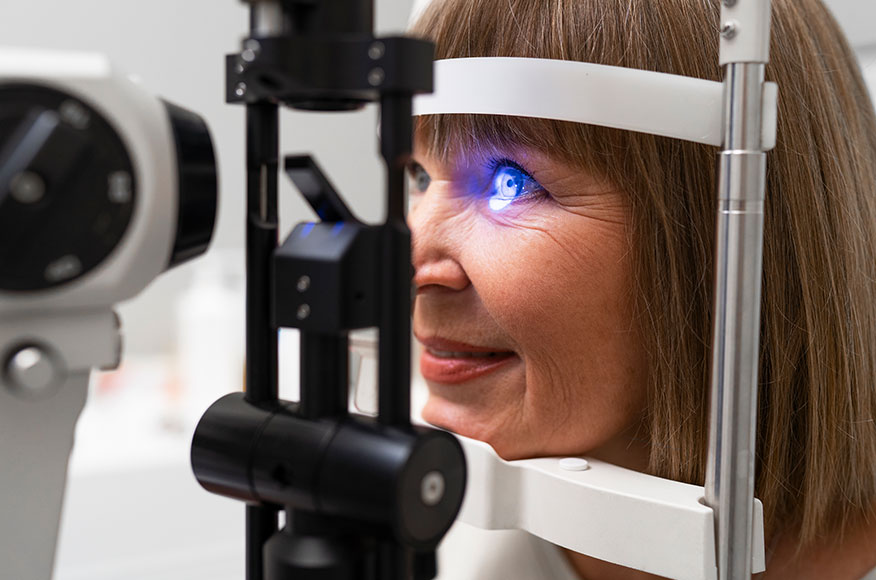
During advanced eye testing, patients may complete reading checks, focusing tests, and eye movement reviews. Then, the doctor may use eye exam technology to look deeper inside the eye. This can show the retina, optic nerve, and blood vessels.
Here are common parts of the visit:
- Vision sharpness checks to measure distance and near sight.
- Eye pressure testing to support glaucoma risk review.
- Refraction testing to fine-tune glasses or contact lens needs.
- Imaging that helps track eye health over time.
- Comfort checks for dryness, irritation, or screen strain.
Because the process is step by step, patients can ask questions along the way. Also, they leave with a clearer idea of what matters most.
How Testing Guides Better Vision Choices?
Eye care is easier when patients know the reason behind each recommendation. For example, a prescription change may explain headaches. Likewise, contact discomfort may point to fit issues, dryness, or long wear hours. Professional optometrists in Laramie WY, can help patients connect symptoms with the right exam findings.
Vision correction tests help doctors compare options. Glasses may work best for one person. Meanwhile, contacts may fit another lifestyle better. Some patients need both. Others may need special lens designs for computer work, sports, or reading.
Here is a simple look at how tests support care decisions:
| Test or Check | What It Helps Explain | Why It Matters |
| Prescription eye test | Changes in focus | Helps improve lens accuracy |
| Retinal imaging test | Back-of-eye health | Tracks changes over time |
| Contact lens fitting exam | Lens fit and comfort | Supports safer daily wear |
| Digital eye screening | Eye strain clues | Guides screen-use advice |
Therefore, testing turns guesswork into a practical plan.
Seeing Problems Early Can Protect More Than Sight
Some eye problems move quietly. At first, they may not cause pain or clear symptoms. However, early testing can still find warning signs. This matters because faster care can protect comfort, vision, and quality of life.
A glaucoma detection test checks eye pressure and optic nerve health. Meanwhile, a retina review can show changes linked to diabetes, blood pressure, or aging. These tests do not replace medical care. Still, they can help patients know when to follow up.
Why Early Answers Matter?
Early answers give patients more choices. Also, they reduce worry because people understand what is happening. A clear eye health diagnosis can guide watchful follow-up, new lenses, or referral when needed. In addition, Laramie Peak Vision helps patients track changes over time. That record can be useful during future visits. So, advanced testing is not only about today’s vision. It also supports tomorrow’s eye health.
Screen Life, Eye Strain, and Smarter Care
Screens are part of work, school, and home life. Because of that, many people deal with tired eyes, dryness, and blurry focus. These symptoms can feel normal, yet they still deserve attention. Digital age eye care tips often start with simple habits, but testing gives better direction.
Eye strain may come from an outdated prescription, glare, poor lighting, or dry eyes. Also, close-up work can make the focusing system work harder. During an exam, the doctor can check how the eyes focus and team together. Then, patients can learn which steps may help.
Helpful habits may include:
- Take short screen breaks during long tasks.
- Blink often because screens can slow blinking.
- Keep screens slightly below eye level.
- Use proper lighting to reduce glare.
- Ask about lens options for computer work.
These steps are small. However, they can make daily vision feel easier when paired with regular care.
Glasses, and Comfort That Fits Real Life
Good vision should fit how people live. Some patients need glasses for driving. Others want contacts for sports, work, or active days. However, comfort matters as much as clear sight. That is why careful testing is important.
A contact lens fitting exam checks the eye’s shape, tear quality, and lens movement. Then, the doctor can see whether the lens sits well. This supports safer wear and better comfort. In addition, follow-up visits can help fix dryness, redness, or blurry moments.
Glasses also need careful review. A prescription eye test can show small changes that affect reading, driving, or screen use. Meanwhile, lens design can help with glare, near tasks, or all-day work. Because vision needs can shift, yearly exams are useful. Also, patients should schedule sooner if their sight changes quickly. With the right testing, vision improvement care becomes easier to understand.
Local Eye Care Matters for Families
Choosing local eye care helps families stay consistent. After all, eye health is not a one-time task. It works best when patients have a trusted place for exams, questions, and follow-up. For many people, professional optometrists in Laramie WY provide that steady support close to home.
Local care also helps when symptoms change quickly. A patient may notice flashes, sudden blur, or new eye pain. In those moments, knowing where to call matters. Routine visits are important, yet urgent concerns need prompt guidance. Eye testing services in Laramie can support kids, parents, workers, and older adults. Also, glaucoma screening in Laramie WY may help people with risk factors stay informed. Age, family history, and some health conditions can raise concern. Therefore, regular testing gives patients useful facts. It also helps doctors compare today’s results with past exams.
How Patients Can Get More from Each Eye Exam
A strong exam works best when patients share clear details. So, it helps to prepare before the visit. People should bring current glasses, contact lens boxes, and a medication list. Also, they should mention headaches, dryness, eye rubbing, or changes in night driving.
It also helps to explain work and school habits. For example, long screen hours may change lens recommendations. Outdoor work may require glare control. Reading trouble may point to near-focus needs. Because daily routines affect vision, these details guide better care.
Patients should also ask direct questions. They can ask what changed since the last visit. They can ask which tests looked normal. Also, they can ask when follow-up is needed. This makes optometry services feel less confusing. More importantly, it helps patients take ownership of their eye health. When people understand results, they are more likely to follow the plan.
Clear Sight Starts with One Smart Visit
Vision affects how people drive, read, learn, work, and enjoy life. Therefore, eye testing should feel useful, clear, and worth the time. Modern exams help optometrists understand both sight and eye health. They also help patients make better choices about glasses, contacts, and follow-up care.
Advanced tools can spot concerns earlier. Meanwhile, careful conversations connect test results with real symptoms. That combination makes eye care easier for families and adults of all ages. For people seeking confident eye care in Laramie, WY, Laramie Peak Vision offers service-based support with clearer answers and better daily vision. Schedule an eye exam today. Ask about advanced testing. Then, take the next step toward healthier sight
FAQs
How do optometrists improve vision using advanced eye testing?
Optometrists use detailed tests to check focus, eye teamwork, pressure, and retina health. Then, they guide better glasses, contacts, or care plans.
Why is regular eye testing important for vision health?
Regular testing can catch small changes before they disrupt daily life. It also helps track eye health over time.
What technology is used in modern optometry exams?
Modern exams may use digital imaging, pressure checks, refraction tools, and screening devices to review sight and eye health.
How does advanced eye testing detect eye diseases early?
It can reveal pressure changes, retina concerns, and optic nerve changes before symptoms become obvious.
Can eye testing improve prescription accuracy for glasses?
Yes. Professional optometrists in Laramie WY, use detailed eye testing to refine glasses prescriptions for clearer reading, driving, and screen use in the Laramie area.